
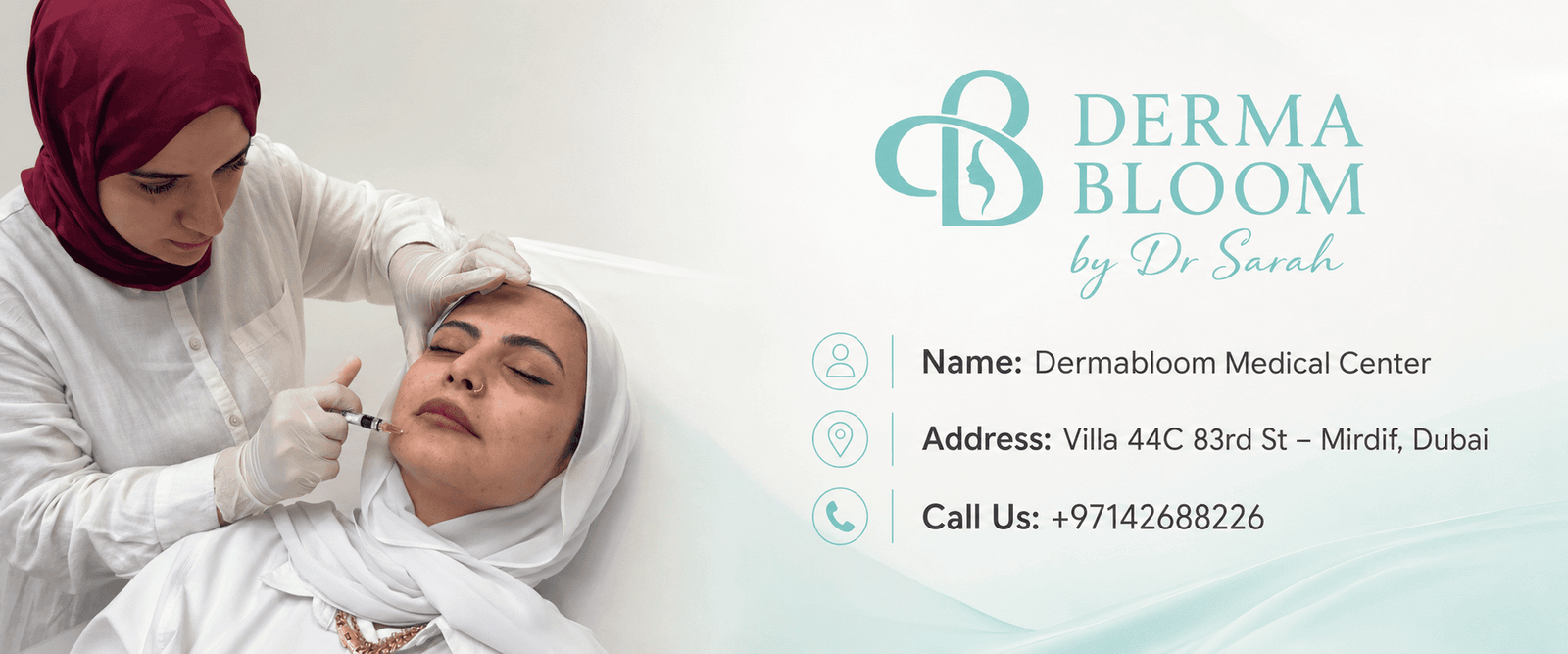
Acne Scars or Acne Marks? How to Tell the Difference
A breakout may disappear but leave a red, brown or grey patch behind. Alternatively, it may leave a dip, pit or raised area. Although people often call every change an acne scar, many of these changes are acne marks.
The difference matters because acne marks affect skin colour, while acne scars change the skin’s texture or structure. Therefore, each concern may require a different treatment approach.
A dermatologist can examine your skin and determine whether you have acne marks, acne scars or both.
What Are Acne Marks?
Acne marks are flat areas of discolouration that remain after a spot heals. However, they do not always indicate permanent damage to the skin.
Doctors generally divide acne marks into two main types.
Brown or Grey Acne Marks
Post-inflammatory hyperpigmentation, or PIH, creates brown, dark brown or grey patches. In this case, inflammation encourages the skin to produce more melanin.
Anyone can develop PIH. However, people with medium to darker skin tones may experience more noticeable or persistent pigmentation.
Red or Pink Acne Marks
Post-inflammatory erythema, or PIE, creates pink, red or purple marks. In contrast to PIH, changes in small blood vessels produce the colour.
People with lighter skin tones may notice PIE more clearly. Nevertheless, some patients develop both PIE and PIH.
According to the American Academy of Dermatology, a flat patch of colour after acne usually represents post-inflammatory pigmentation rather than a true scar.
What Are Acne Scars?
Acne scars change the surface or structure of the skin. When deep inflammation affects healing, it can disrupt normal collagen production.
As a result, collagen loss may create an indented scar. On the other hand, excess collagen may create a thick or raised scar.
Ice-Pick Scars
Ice-pick scars look like narrow, deep holes. Because these scars extend beneath the surface, skincare products alone rarely create a significant structural improvement.
Boxcar Scars
Boxcar scars create round or oval depressions with defined edges. Depending on the collagen damage, they may appear shallow or deep.
Rolling Scars
Rolling scars have sloping edges and create a wave-like texture. Often, fibrous bands beneath the skin pull these scars down.
Raised Scars
Hypertrophic and keloid scars rise above the surrounding skin. Usually, hypertrophic scars remain within the original acne area. By contrast, keloids may extend beyond it.
DermNet identifies ice-pick, boxcar and rolling scars as the main forms of indented acne scarring.
How Can You Tell the Difference?
First, look at your skin in natural light. Next, move the light to the side so that it passes across the skin’s surface.
You may have acne marks if:
- The affected area feels flat and smooth
- Colour represents the main visible change
- The area looks red, pink, brown or grey
- Side lighting does not create a visible shadow
In contrast, you may have acne scars if:
- The skin has pits or depressions
- Side lighting creates visible shadows
- The surface feels uneven or raised
- Gentle stretching changes the appearance of some depressions
Sometimes, patients have marks and scars in the same area. Therefore, a professional assessment can provide a more reliable answer than a home check.
Which Concerns May Treatment Address?
A personalised plan may address:
- Brown or grey post-acne pigmentation
- Persistent red or pink acne marks
- Ice-pick scars
- Boxcar scars
- Rolling or tethered scars
- Raised hypertrophic scars
- Keloid scars
- Uneven skin tone or texture
- Active acne that may cause further scarring
Because these concerns develop differently, one procedure cannot treat every type. Instead, the dermatologist may recommend a combination plan.
Who May Benefit From an Assessment?
A consultation may help people who have persistent colour changes, uneven texture or active acne. In addition, an assessment can help patients who do not know whether they have marks or scars.
You may benefit from a consultation if:
- Marks remain for several months after your acne settles
- Pits, depressions or raised areas affect your skin
- Skincare has not produced the improvement you expected
- Previous treatments caused irritation or pigmentation
- Painful or inflamed breakouts continue to appear
- Acne-related changes affect your confidence
- You want advice that considers your skin tone
- You need realistic guidance about results and recovery
If active acne continues, the dermatologist may treat it before starting intensive scar procedures. Consequently, early acne control may reduce the risk of additional scars.
What Happens During the Consultation?
First, the dermatologist examines your skin under suitable lighting. During this examination, they assess the colour, shape, depth, location and number of marks or scars.
Next, the dermatologist may ask about:
- When your acne started
- Whether you still experience breakouts
- Previous acne and scar treatments
- Your current skincare routine
- Prescription and non-prescription medicines
- Pregnancy or breastfeeding
- Cold sores or skin infections
- Keloids or poor wound healing
- Recent tanning or sun exposure
- Your goals and preferred recovery time
Afterward, the dermatologist explains the suitable options. They should also discuss expected improvement, realistic limitations, risks, aftercare and the likely appointment schedule.
Finally, you can ask questions before deciding whether to proceed.
How Do Dermatologists Treat Acne Marks?
Treatment depends on whether you have pigmentation, persistent redness or both. Therefore, the dermatologist must identify the type of mark before recommending treatment.
The plan may include:
- Daily broad-spectrum sunscreen
- Gentle skincare that supports the skin barrier
- Azelaic acid
- A suitable topical retinoid
- Clinician-directed pigment treatment
- Superficial chemical peels
- Selected laser or light treatments
Topical Skincare
Suitable skincare may help control acne and gradually improve pigmentation. However, stronger products do not always produce faster results.
In fact, excessive irritation may worsen redness or pigmentation. For this reason, the dermatologist may introduce active ingredients gradually.
Chemical Peels
First, the practitioner cleans and prepares the treatment area. Next, they apply a controlled chemical solution for a carefully selected period.
The practitioner chooses the peel type and strength according to the patient’s skin tone and treatment goal. Afterward, they remove or neutralise the solution when the specific peel requires it.
A superficial peel may gradually improve selected acne marks. However, it cannot remove a deep structural scar.
Laser and Light Treatments
A suitable device directs controlled energy towards pigment, redness or tissue that needs remodelling. Before treatment, the practitioner selects the wavelength and settings for the patient’s skin.
During the procedure, the device delivers energy across the treatment area. Afterward, the practitioner may apply cooling products and explain the aftercare plan.
Careful selection remains essential because excessive energy can cause burns or pigmentation changes.
How Do Dermatologists Treat Acne Scars?
The dermatologist should match each procedure to the scar type. As a result, patients with several scar patterns may need more than one technique.
Microneedling
First, the practitioner cleans the skin and may apply a numbing cream. Next, a microneedling device creates controlled microscopic channels.
This process encourages the skin’s healing response and collagen remodelling. Therefore, microneedling may soften selected indented scars over a course of treatments.
Fractional Laser Resurfacing
A fractional laser creates controlled treatment columns while leaving surrounding areas intact. Depending on the device, the treatment may target the skin’s surface or deeper tissue.
Ablative and non-ablative lasers offer different levels of intensity. Consequently, recovery time and risk also differ.
Subcision
After applying local anaesthetic, the practitioner passes a sterile needle or cannula beneath a selected scar. The instrument then releases fibrous bands that pull the skin down.
Subcision mainly suits selected rolling or tethered scars. However, it may not suit every type of depression.
TCA CROSS
The practitioner places a small amount of high-strength trichloroacetic acid inside a suitable scar. In particular, dermatologists may consider this technique for selected ice-pick scars.
TCA CROSS differs from a general facial peel. Therefore, patients should never attempt it at home.
Punch Techniques
For selected deep scars, the practitioner may remove, elevate or graft the affected tissue under local anaesthetic. As a result, the procedure replaces or repositions the original scar.
Although punch treatment may improve a deep scar, it can leave a smaller surgical scar.
Dermal Fillers
The practitioner places a suitable filler beneath selected depressed scars. In turn, the filler supports the skin and improves its contour.
Nevertheless, fillers do not suit every scar. Moreover, the effects may reduce over time.
Treatment for Raised Scars
A dermatologist may recommend scar injections, silicone therapy or selected laser treatment. However, raised scars can return after an initial improvement.
Keloids require particular care because they may continue to grow. Therefore, the dermatologist should discuss recurrence before treatment.
What Results Can You Expect?
Acne-mark treatment aims to create a more even-looking skin tone. Meanwhile, scar treatment aims to soften depressions, reduce raised tissue and improve texture.
No treatment can guarantee completely smooth or mark-free skin. The NHS notes that treatment may improve acne scars without removing them completely.
Results depend on:
- The type and depth of the scars
- The colour and age of the marks
- Your skin tone
- Ongoing acne activity
- The selected treatment
- Your individual healing response
- Your aftercare
- The number of completed sessions
Although marks may fade, the process can take several months. Similarly, collagen needs time to remodel. Therefore, scar improvement may continue after the initial recovery period.
How Many Appointments Will You Need?
The number of appointments depends on the concern, selected procedure and individual response.
An initial consultation usually takes around 20 to 45 minutes. After the assessment, the dermatologist can provide a more accurate treatment schedule.
A superficial chemical-peel course may involve three to six appointments. Generally, each appointment takes approximately 20 to 45 minutes.
Microneedling plans often involve three to six appointments. Depending on the treatment area, a session may take 30 to 60 minutes.
Fractional laser treatment may require one to four or more appointments. In addition, each session may take 30 to 90 minutes.
Subcision, TCA CROSS and punch techniques may require one or more appointments. However, the exact number will depend on the type and extent of scarring.
These figures provide general guidance only. Therefore, your personalised schedule may differ.
Recovery and Aftercare
Recovery varies according to the procedure. For example, a mild treatment may cause temporary redness, dryness or flaking.
A stronger resurfacing procedure may cause swelling, peeling or crusting. Consequently, patients should plan around the expected recovery period.
After treatment:
- Cleanse your skin gently
- Apply the recommended moisturiser
- Use broad-spectrum sunscreen every day
- Avoid picking, rubbing or removing peeling skin
- Pause retinoids and exfoliating products as directed
- Avoid heat, swimming and strenuous exercise temporarily
- Delay makeup until the skin barrier recovers
- Attend the recommended follow-up appointment
If you develop severe pain, blisters, discharge or spreading redness, contact the clinic promptly.
Risks and Contraindications
Every treatment carries potential risks. Therefore, the dermatologist should discuss the risks that relate to your skin and recommended procedure.
Possible effects include:
- Redness, swelling or tenderness
- Bruising
- Dryness, peeling or sensitivity
- Darkening or lightening of the skin
- Prolonged redness
- Infection
- Cold-sore reactivation
- Irritation or an allergic reaction
- Burns
- Further scarring
- Uneven or limited improvement
- Keloid recurrence
Patients with darker skin tones can receive acne-mark and scar treatments. However, the practitioner must choose the procedure and settings carefully to reduce the risk of pigmentation changes.
Who Should Avoid or Postpone Treatment?
Some patients may need to delay or modify treatment. For example, tell the dermatologist if you:
- Have an active infection, cold sore or open wound
- Experience uncontrolled inflammatory acne
- Are pregnant or breastfeeding
- Currently take or recently took isotretinoin
- Have a history of keloids or poor wound healing
- Use medicine that affects bleeding or healing
- Take medicine that increases light sensitivity
- Have recently tanned
- Live with an uncontrolled medical condition
- Cannot follow the required aftercare
These factors do not rule out every option. Instead, the dermatologist may postpone the procedure, adjust the plan or recommend another treatment.
Frequently Asked Questions
Can I have acne marks without acne scars?
Yes. A flat red, brown or grey patch can remain after a spot without changing the skin’s texture. However, you may also have marks and scars in the same area.
Why do my scars look worse under overhead lighting?
Indented scars create shadows. Consequently, overhead or side lighting can make uneven texture look more noticeable.
Will acne marks fade naturally?
Many marks fade gradually. However, the process may take several months or longer.
In addition, skin tone, sun exposure, continuing acne and inflammation can affect the timeline.
Can creams remove pitted acne scars?
Skincare may help active acne, pigmentation and overall skin quality. Nevertheless, a cream cannot release a tethered scar or fully rebuild a deep pit.
Should I treat active acne or scars first?
A dermatologist will usually prioritise active acne or manage it alongside the scar plan. As a result, preventing new breakouts may reduce the risk of further marks and scars.
Can one laser treat every type of acne scar?
No. Different scars respond to different procedures. Therefore, some patients may achieve better improvement through a combination plan.
Can acne-scar treatment make pigmentation worse?
Yes. Irritation and inflammation may trigger pigmentation changes. However, careful treatment selection and appropriate aftercare can reduce this risk.
Can treatment remove acne scars completely?
No treatment can guarantee complete removal. Instead, a realistic plan aims to improve the skin’s texture and make scars less noticeable.
How will I know which treatment suits me?
First, the dermatologist will examine your skin and review your medical history. Then, they will consider your goals, budget and tolerance for recovery time.
Based on this assessment, the dermatologist can recommend a suitable plan.
Book an Acne-Mark and Scar Consultation in Dubai
If you cannot tell whether you have acne scars, acne marks or both, book a professional skin assessment at Dermabloom Medical Center.
Dr. Sarah Magdy is a Specialist Dermatologist and Medical Director at Dermabloom Medical Center. During the consultation, she can assess your skin and discuss suitable options, expected results, limitations, risks and recovery.
Dermabloom Medical Center
Villa 44C, 83rd Street
Mirdif, Dubai, UAE
Telephone and WhatsApp: +971 4 268 8226
Email: info@dermabloom.ae
Opening hours: Monday–Saturday, 11:00 AM–8:00 PM
DHA facility licence: 2528391
Booking: Contact Dermabloom Medical Center
In addition, you can explore further information about skin treatments in Dubai.
Individual suitability, results and recovery times vary. Therefore, this article provides general information and does not replace a diagnosis or personalised medical advice.
Medical reviewer: Dr. Sarah Magdy, Specialist Dermatologist and Medical Director
Medical review date: 18 September 2026